The Best Free and Low-Cost Weekend Experiences Near Major Cities in 2026
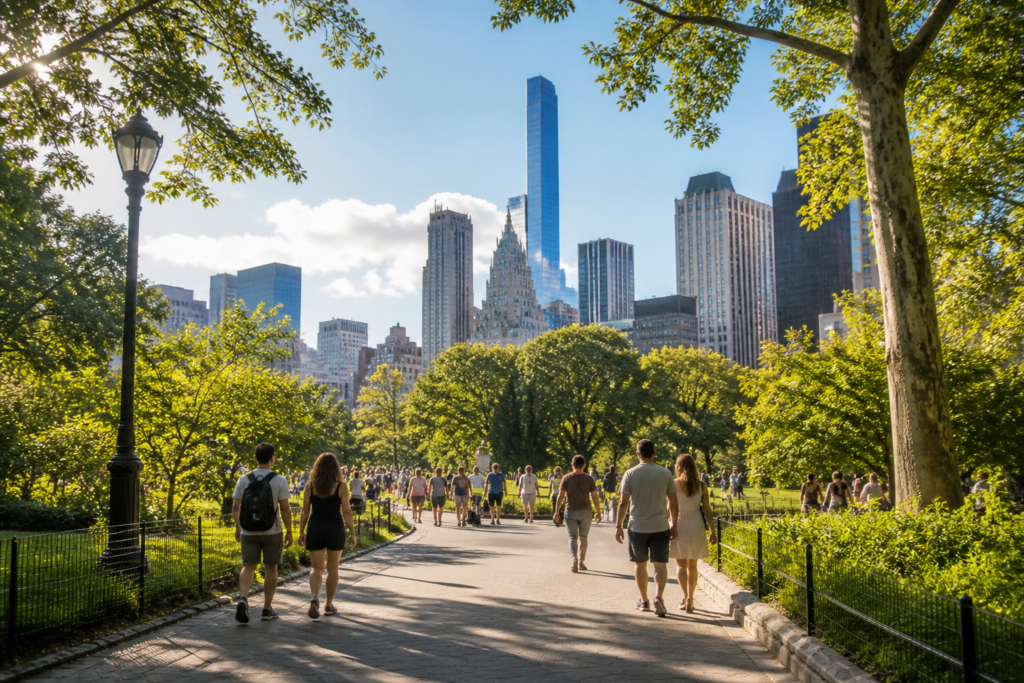
A good weekend does not have to be a hotel package. In 2026, the cheapest days out in big cities still look like this: a park, a neighborhood you do not usually walk, one cultural building with a free or low-cost window, and a public-transit ride instead of a parking fee.
This is a planner, not a copied event listing. Hours, free-entry days, and transit prices change. Before you go, check the official site for that museum, park, or transit agency. If a date is not on an official page, treat it as a rumor.
Price notes below are planning ranges in local currency, collected as a September 2026 snapshot. They are not quotes. Accessible routes and reservation rules should be confirmed on the day.
How to build a low-cost weekend (any city)
- Pick one neighborhood and stay there. Hopping across town is how “free” days become $40 in fares.
- Start with a park or waterfront. It is the only attraction that is almost always open and actually free.
- Add one indoor backup with a published free hour, suggested donation, library pass, or pay-what-you-can night.
- Eat like a local grocer: bakery, market fruit, one sit-down treat. Skipping one restaurant meal often funds the whole cultural stop.
- Write a weather backup before you leave the house. Rain is when people panic-buy tickets.
The cost worksheet
| Line | Free version | Low-cost version |
|---|---|---|
| Transit | Walk / bike share already paid | Day pass or two single tickets |
| Anchor activity | Park, waterfront, public market browsing | Museum with free hours or a library/culture pass |
| Food | Packed lunch | One café stop, one picnic |
| Surprise | $0 buffer | $15–$25 for a ticket you decide on-site |
If the low-cost column still feels high, cut the surprise line first, not the transit. Getting stranded is more expensive than a sandwich.
United States
New York
Free core: Walk the High Line, then continue into Chelsea or Hudson Yards parks. Staten Island Ferry is a genuine skyline ride with no ticket. Central Park and Prospect Park absorb a full afternoon if you pick one loop and stay on it.
Low-cost add-on: Many museums publish specific pay-what-you-wish hours or neighborhood-resident rates — they are not all-day, all-visitor deals anymore. Check the Met, Brooklyn Museum, and smaller university galleries on their own sites the morning you go. A New York Public Library exhibition is often the quietest indoor backup.
Transit: OMNY/MetroCard fares beat most rideshares once two people are moving. Official MTA pages list current fares and accessible stations.
Los Angeles
Free core: Griffith Observatory grounds and hiking trails, the Venice boardwalk without the souvenir gauntlet (go early), and the Getty Center — the art is free; you still budget for the parking or the bus. The Huntington and some gardens are not free; do not assume.
Low-cost add-on: Metro DASH and rail can replace a $30 parking day if you pick one cluster: downtown + Grand Park, or Santa Monica + the expo line. L.A. County museum free hours rotate; verify, then screenshot the hours page.
Chicago
Free core: The Lakefront Trail, Millennium Park, and neighborhood riverwalks. Lincoln Park Zoo is a rare major zoo that still markets a free general admission — confirm before you promise kids a day.
Low-cost add-on: Several museums have Illinois-resident discounts or free days. Architecture is the city’s free gallery: pick one river bridge and one boulevard instead of a paid cruise if the budget is tight. CTA day passes usually beat two taxis.
United Kingdom
London
Free core: Permanent collections at the British Museum, Tate Modern, the National Gallery, and the V&A are still free to walk into; special exhibitions are not. Pair one museum with a royal park: Hyde, Greenwich, or Richmond depending on which rail line you already used.
Low-cost add-on: A bus hopper fare can be cheaper than the Tube for short hops. Markets (Borough, Broadway, Columbia Road on a Sunday) are free to browse and expensive if you treat them as a food hall — set a cash cap before you enter. City of London walking routes and the South Bank are the rain-flexible default.
Manchester
Free core: Castlefield canals, the Northern Quarter street grid, Heaton Park if you want green space, and several civic museums with free permanent displays. Check Science and Industry Museum and Manchester Art Gallery hours on the day.
Low-cost add-on: Bee Network / Metrolink day tickets make a Salford Quays or MediaCity trip realistic without a car. A football-stadium tour is a paid treat, not a budget default — swap it for a match-day atmosphere walk only if you are comfortable in crowds.
Canada
Toronto
Free core: Toronto Islands require a ferry ticket — budget for it — but the island parks themselves are the city’s best cheap skyline. The Distillery District and the waterfront trails are free to walk. High Park in cherry-blossom weeks is crowded; go for the trails the rest of the year.
Low-cost add-on: ROM and AGO run periodic community or pay-what-you-can windows; they are not always on. TTC day passes win once you make more than a couple of trips. St. Lawrence Market is a food stop with a hard cap, not an all-you-can-sample hall.
Vancouver
Free core: Stanley Park’s seawall, Kitsilano Beach in season, and the False Creek seawall from Olympic Village to Granville Island. Granville Island is free to enter and easy to overspend; treat it as a walk with one pastry, not a shopping trip.
Low-cost add-on: TransLink Compass fares. Capilano and Grouse are paid nature; the free version is Pacific Spirit Regional Park or a bus to a public beach. Check Park Board pages for fire bans and swim reports.
Montreal
Free core: Mount Royal lookouts, Old Port waterfront, and neighborhood walking in Plateau or Mile End. Many festivals in warm months have free outdoor stages — only trust the festival’s own timetable.
Low-cost add-on: STM day passes. Some museums have free-access nights for residents or students; bring ID. Winter weekends should assume an indoor civic building (library, market, museum) as the first line, not a backup.
Calgary
Free core: The Bow River pathway, Prince’s Island Park, and Stephen Avenue to look at the architecture. Glenbow and some attractions are ticketed. If the mountains are the point, a day in Canmore still needs a fuel and parking line on the worksheet — it is low-cost compared with a flight, not compared with a city park.
Low-cost add-on: Calgary Transit day pass. Check City of Calgary recreation pages for no-cost skate, swim, or program hours before you buy a private ticket.
Accessibility, kids, and “free” that is not free
Free admission is not the same as an accessible day. Check step-free stations, quiet hours, and whether a companion ticket is required. Picnic-friendly parks beat free museums if you have a stroller and a nap window.
Watch these fake bargains:
- Timed tickets that force a $20 add-on exhibition to use the “free” building.
- Hop-on buses that cost more than the metro day pass.
- Markets where tasting is priced like dinner.
- Paid viewpoints when a public park has the same skyline.
A one-page weekend template
Copy this into your notes app:
- Neighborhood: ________
- Transit pass: ________ (official fare page saved)
- Outdoor anchor: ________
- Indoor backup: ________ (official hours screenshot)
- Food cap: ________
- Weather plan B: ________
- Hard stop time: ________
Fill it on Thursday. Saturday morning should be walking, not researching.
Final word
The best cheap weekend in a major city is almost never a secret venue. It is a public landscape plus one verified indoor room plus a spending cap. Start with the park. Add culture only when the official site still says you can afford it. Leave before you are tired enough to take a taxi out of habit.